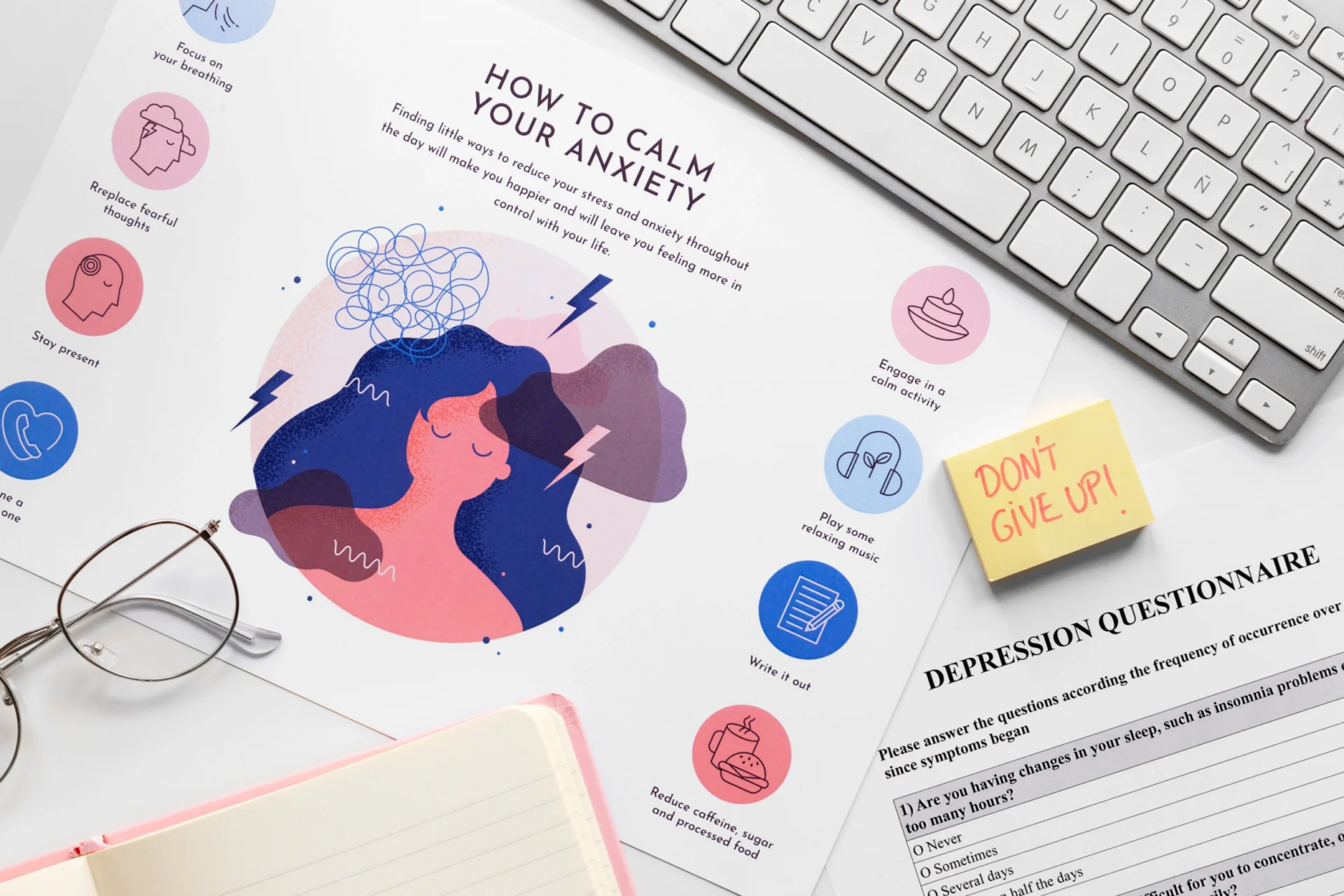
The reason I am posting this is because at Redbrick Properties we help students on a daily basis, and it is very evident that navigating university life can be both exhilarating and challenging, especially during exam time. With the pressures of academic deadlines, social dynamics, and the transition to adulthood, it’s no wonder that many students experience stress, anxiety, and other mental health challenges. While traditional strategies like therapy and counseling are helpful, there are many unconventional approaches to enhance your mental well-being during your time at university. Here’s a toolkit of creative strategies to help you stay mentally strong.
Embrace Nature Therapy
Spending time outdoors has been shown to reduce stress and improve mood. Nature therapy, also known as ecotherapy, encourages students to engage with the natural environment. Whether it’s taking a walk in the nearby Hyde Park or studying in one of Leeds’ beautiful gardens, immersing yourself in nature can have a profound impact on your mental health. Research suggests that even short walks in nature can decrease levels of anxiety and improve cognitive function and creative expression.
Engage in Artistic Activities
Engaging in artistic activities can be a powerful way to express feelings and alleviate stress. Whether it’s painting, drawing, or writing poetry, creative expression allows for emotional release and reflection. Many universities, including Leeds, offer workshops and classes in creative arts, which can also be a fantastic way to meet new people and build a support network . You could even check out The Bowery in Headingley who offer a plethora of creative workshops for beginners. You don’t have to be a professional artist; the act of creating is what matters most.
Practice Mindful Movement
Incorporating movement into your daily routine can significantly enhance your mental well-being. Mindful movement practices like yoga, Tai Chi, or even dance can help ground you in the present moment. These activities promote relaxation and help release pent-up stress. You can find classes at local studios or join free sessions on campus . Even a quick 10-minutes stretching or a dance break in your room can help lift your mood.
Cultivate a Gratitude Practice
Developing a gratitude practice involves reflecting on what you’re thankful for, which can shift your focus from stressors to positive aspects of life. Keeping a gratitude journal where you write down three things you’re grateful for each day can foster a positive mindset. Some studies have found that gratitude practices can lead to improved emotional resilience, making it easier to cope with stress.
Engaging with books such as ‘The Secret’ by Rhonda Byrne can further deepen your understanding of gratitude’s transformative power and inspire you to incorporate it more fully into your daily routine. This influential read emphasises the power of positive thinking and the law of attraction, encouraging readers to focus on what they are grateful for to attract more positivity into their lives.
Digital Detox Days
Studies have found that smartphone or internet addiction can negatively impact your life by: fueling anxiety, increasing stress, exacerbating attention deficit disorders, diminishing your ability to concentrate and think deeply or creatively, disturbing your sleep, and encouraging self-absorption, to name a few.
Taking regular breaks from technology can be refreshing and revitalizing. Consider setting aside a day each week for a digital detox—no social media, emails, or screens of any kind. Use this time to read a book, engage in hobbies, or spend quality time with friends. Disconnecting can help you reconnect with yourself and your surroundings.
Create a ‘Chill-Out’ Playlist
Music has been observed to be an effective mood regulator and holds the ability to alter, generate, maintain or enhance emotions and moods in daily life for personal benefit and direct coping.
Curate a chill-out playlist filled with soothing and uplifting tracks that you can turn to when you need a mental break. Listening to calming music can reduce stress hormones and improve your emotional state. Experiment with different genres, from classical to ambient sounds, to find what resonates with you.
Engage in Random Acts of Kindness
Engaging in small, random acts of kindness not only benefits others but also boosts your own mood and mental well-being. Whether it’s helping a fellow student with their studies, volunteering for a local charity, or simply complimenting someone, these actions can enhance feelings of connection and purpose.
It’s essential to look out for each other at University. This is how we protect and maintain good mental health for all.
If you do nothing else today, keep an eye out for an opportunity to help someone with a random act of kindness or hold onto that warm feeling when someone helps you.
Doing something nice for someone doesn’t cost a lot of time or money. It’s the small things in life that can make a big difference.
Make someone laugh, send an inspirational quote to a friend, smile at a stranger, send someone a nice note, pick up some litter, lend you ear… the list can be endless.
Use Humor as a Coping Mechanism
Did you know that laughter strengthens your immune system, boosts mood, diminishes pain, and protects you from the damaging effects of stress?
Whether it’s watching comedies, sharing jokes with friends, or attending comedy nights on campus, finding ways to laugh, even during stressful times, can reduce feelings of anxiety and promote a more positive outlook.
Laughter makes you feel good. And this positive feeling remains with you even after the laughter subsides. Humor helps you keep a positive, optimistic outlook through difficult situations, disappointments, and loss.
There are so many benefits of laughter you would not think were possible.
Build a Community of Support
University is a time for building connections. Seek out communities, whether through clubs, study groups, or mental health workshops. Engaging with peers who understand your struggles can provide a sense of belonging and reduce feelings of isolation. Don’t hesitate to reach out; chances are, others are seeking the same connection.
The University’s Health and Wellbeing team provide an ongoing programme of activities for staff to take time out and connect with others. There’s Wednesday Wellbeing Walks, Menopause cafes and a range of themed events throughout the year.
Visit the Window on Wellbeing page for the latest opportunities.
Seek Professional Help When Needed
While these unconventional strategies can greatly enhance your mental health, it’s crucial to acknowledge when you need additional support. Universities like Leeds offer counseling services, mental health workshops, and resources designed to assist students in times of need. Don’t hesitate to utilise these services—they’re there to help you thrive.
Maintaining mental strength during university requires a multifaceted approach. By incorporating these unconventional strategies into your daily routine, you can create a supportive environment that nurtures your mental health. Remember that it’s perfectly okay to seek help and prioritise your well-being. Your time at university is not just about academics; it’s also about personal growth and discovering what works best for you. Embrace these tools and thrive during your university journey!